
Girish Karnad books in order
Indian playwright, theatre personality
- Lived
- 1938–2019
- Country
- India
- Books
- 11
Girish Karnad published 6 plays and 5 other books, beginning with Hayavadana (1971).
Updated September 2026
Where to start with Girish Karnad
Start here
Hayavadana
Girish Karnad's most-read book.
Plays in order

Tughlaq (1972)
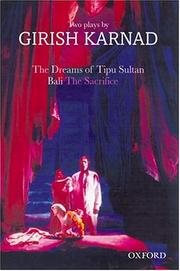
The Dreams of Tipu Sultan (2004)

Yayati (2008)

Wedding Album (2009)

Boiled Beans on Toast (2014)

Crossing to Talikota (2019)
Other books in order
Hayavadana (1971)
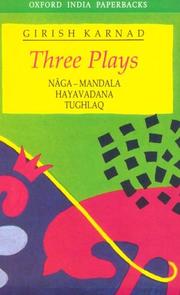
Three Plays (1996)

The Fire and the Rain = (1998)
Collected Plays: Taledanda, The Fire and the Rain, The Dreams of Tipu Sultan, Flowers and Images (2005)
Collected Plays: Tughlaq, Hayavadana, Bali (2005)
About Girish Karnad
Girish Raghunath Kārnād was an Indian playwright, actor, film director, writer, and a Jnanpith awardee, who predominantly worked in Kannada, Hindi, Tamil, Telugu, Malayalam and Marathi films. His rise as a playwright in the 1960s marked the coming of age of modern Indian playwriting in Kannada, just as Badal Sarkar did in Bengali, Vijay Tendulkar in Marathi, and Mohan Rakesh in Hindi. He was a recipient of the 1998 Jnanpith Award, the highest literary honour conferred in India.
Biography from Wikipedia, CC BY-SA 4.0. Photo via Wikimedia Commons.

Girish Karnad FAQ
- How many books has Girish Karnad written?
- Girish Karnad published 6 plays and 5 other books that we list, as of September 2026.
- What order should I read Girish Karnad's books in?
- Publication order is a safe choice; the full list is above. Most readers start with Hayavadana.
- What is Girish Karnad's last book?
- Crossing to Talikota (2019).
- What is Girish Karnad's most famous book?
- Hayavadana (1971) is Girish Karnad's most widely read book.
Sources: book lists and dates from Wikidata and Open Library, ratings from Open Library readers. Last updated September 2026.