
Ian Stewart books in order
Mathematician and author
- Born
- 1945
- Country
- United Kingdom
- Books
- 52
- Series
- 1
Ian Stewart has published 35 novels, 10 non-fiction books, 1 children's book and 6 other books, beginning with Does God Play Dice? (1989). The series is The Science of Discworld (4 books, starting with The Science of Discworld). The best-known is The Science of Discworld (1999). The latest is What's the Use? (2021).
Updated September 2026
The Science of Discworld books in order (4)
Reading order: 1 The Science of Discworld (1999) · 2 The Science of Discworld II: The Globe (2002) · 3 The Science of Discworld III: Darwin's Watch (2005) · 4 The Science of Discworld IV: Judgement Day (2013)
- 1.

The Science of Discworld (1999), with Terry Pratchett
- 2.
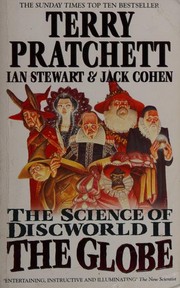
The Science of Discworld II: The Globe (2002), with Terry Pratchett
- 3.
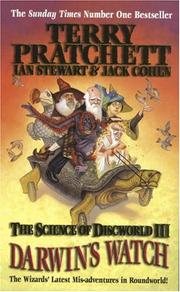
The Science of Discworld III: Darwin's Watch (2005), with Terry Pratchett
- 4.
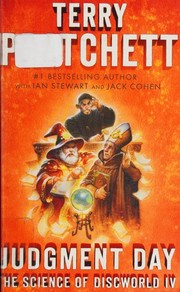
The Science of Discworld IV: Judgement Day (2013), with Terry Pratchett
Where to start with Ian Stewart
Start here
The Science of Discworld
Ian Stewart's most-read book and the first of the 4 The Science of Discworld books.
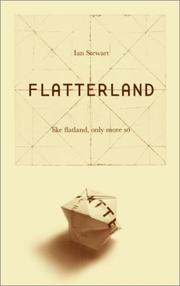
Shortest way in
Flatterland
One of the most-read, at about 320 pages.

Newest
What's the Use?
Published 2021.
Standalone novels in order
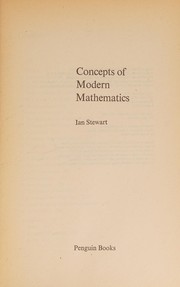
Concepts of Modern Mathematics (1975)
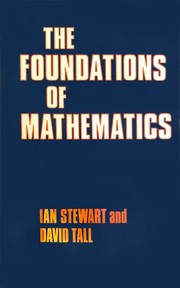
The Foundations of Mathematics (1977)

Catastrophe Theory and Its Applications (1978)
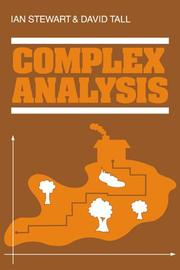
Complex Analysis (1983)
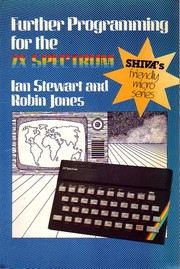
Further Programming for the Zx Spectrum (1983)
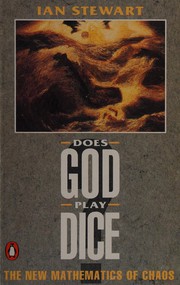
Does God Play Dice? (1989)
Does God Play Dice? The New Mathematics of Chaos (1989)
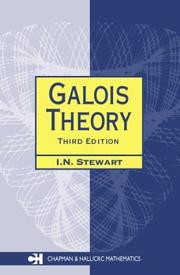
Galois Theory (1989)
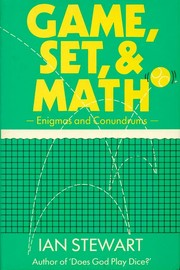
Game, Set and Math (1989)

Another Fine Math You've Got Me into (1992)
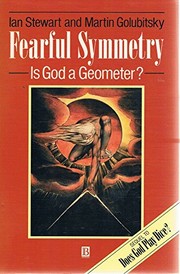
Fearful Symmetry (1992)

Nature's Numbers (1995)

From Here to Infinity (1996)
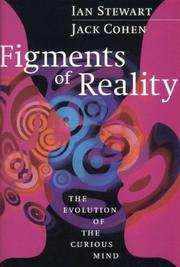
Figments of Reality (1997)

Life's Other Secret (1997)

The Magical Maze (1997)
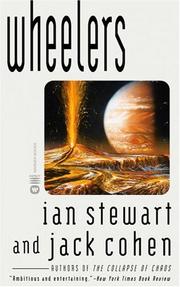
Wheelers (2000)

Algebraic Number Theory and Fermat's Last Theorem (2001)
Flatterland (2001)
Evolving the Alien (2002)

What Does a Martian Look Like? The Science of Extraterrestrial Life (2002)
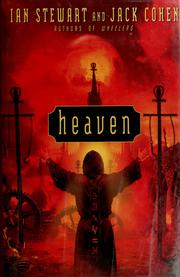
Heaven (2004)
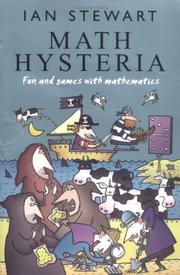
Math Hysteria (2004)
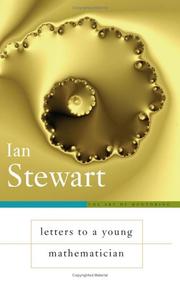
Letters to a Young Mathematician (2006)
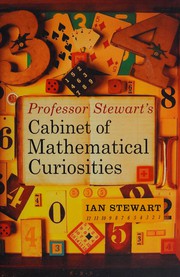
Professor Stewart's Cabinet of Mathematical Curiosities (2008)
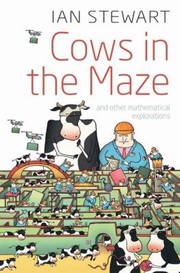
Cows In The Maze (2010)
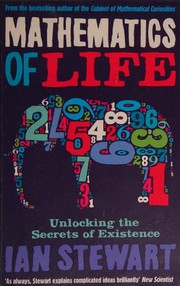
The Mathematics of Life (2011)
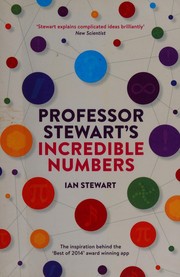
Professor Stewart's Incredible Numbers (2015)
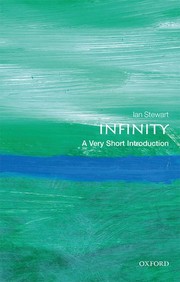
Infinity (2017)

Do Dice Play God? (2019)
What's the Use? (2021)
Non-fiction in order
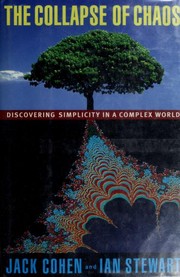
The Collapse of Chaos (1994)

What Shape Is a Snowflake? (2001)

Why Beauty Is Truth (Apr 2007)
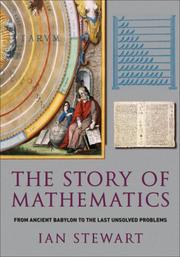
Story of Mathematics (2008)
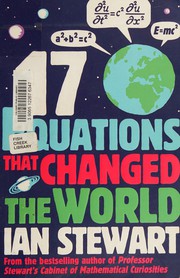
In Pursuit of the Unknown (2012)
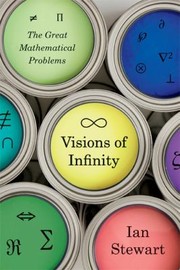
The Great Mathematical Problems (Mar 2013)

Professor Stewart's Casebook of Mathematical Mysteries (2014)

Calculating the Cosmos (2016)

The Beauty of Numbers in Nature (2017)

Significant Figures (Sep 2017)
Children's books in order

Get Knotted! (1976)
Other books in order

Easy Programming for the Zx Spectrum (1982)
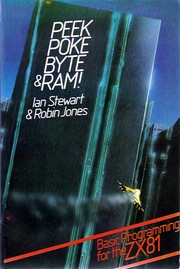
Peek Poke Byte & Ram! (1982)

Further Programming for the Dragon 32 (1983)
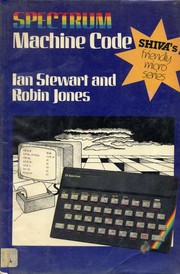
Spectrum Machine Code (1983)

Gateway to Computing with the Bbc Micro (1984)

Solutions Manual for Galois Theory (2003)
About Ian Stewart
Ian Nicholas Stewart is a British mathematician and a popular-science, textbooks, and science-fiction books writer. He is emeritus professor of mathematics at the University of Warwick, England.
Biography from Wikipedia, CC BY-SA 4.0. Photo via Wikimedia Commons.

Ian Stewart FAQ
- How many books has Ian Stewart written?
- Ian Stewart has published 35 novels, 10 non-fiction books, 1 children's book and 6 other books that we list, as of September 2026.
- What order should I read Ian Stewart's books in?
- Read each series in its own order: start The Science of Discworld with The Science of Discworld. The other books stand alone and can be read in any order.
- What is Ian Stewart's latest book?
- What's the Use? (2021).
- What is Ian Stewart's most famous book?
- The Science of Discworld (1999) is Ian Stewart's most widely read book.
- Are Ian Stewart's books connected?
- 4 books belong to 1 series (The Science of Discworld); the other 48 books stand alone.
Sources: book lists and dates from Wikidata and Open Library, ratings from Open Library readers. Last updated September 2026.