
James Mill books in order
Scottish historian, economist, political theorist and philosopher
- Lived
- 1773–1836
- Country
- United Kingdom
- Books
- 12
James Mill published 1 novel, 6 non-fiction books and 5 other books, beginning with The History of British India (1817).
Updated September 2026
Where to start with James Mill
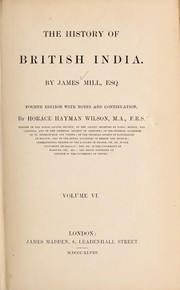
Start here
The History of British India
James Mill's most-read book.
Standalone novels in order
The History of British India (1817)
Non-fiction in order

Elements of Political Economy (1821)
Essays on (1828)
Essays on Government, Jurisprudence, Liberty of the Press, and Law of Nations (1828)

On the Ballot (1830)
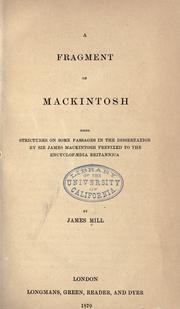
A Fragment on Mackintosh (1835)
Other books in order

The Article Law of Nations (1800)
An Essay of the Impolicy of a Bounty on the Exportation of Grain (1804)
Commerce Defended (1808)
The True Theory of Rent, in Opposition to Mr. Ricardo and Others (1826)

The Principles of Toleration (1837)
About James Mill
James Mill was a Scottish historian, economist, and political theorist, who was a founder of the Ricardian school of economics. He wrote the influential The History of British India (1817) which divided Indian history into three parts: Hindu, Muslim and British..
Biography from Wikipedia, CC BY-SA 4.0. Photo via Wikimedia Commons.
James Mill FAQ
- How many books has James Mill written?
- James Mill published 1 novel, 6 non-fiction books and 5 other books that we list, as of September 2026.
- What order should I read James Mill's books in?
- Publication order is a safe choice; the full list is above. Most readers start with The History of British India.
- What is James Mill's last book?
- A Fragment on Mackintosh (1835).
- What is James Mill's most famous book?
- The History of British India (1817) is James Mill's most widely read book.
- Can I read James Mill's books for free?
- Yes. 1 book by James Mill is in the public domain in the US and free to read online or download here.
Authors like James Mill


Sources: book lists and dates from Wikidata and Open Library, ratings from Open Library readers, free texts from Project Gutenberg. Last updated September 2026.