
Karl Polanyi books in order
Hungarian economist, philosopher and historian
- Lived
- 1886–1964
- Country
- Hungary
- Books
- 6
Karl Polanyi published 6 non-fiction books, beginning with The Great Transformation (1944).
Updated September 2026
Where to start with Karl Polanyi

Start here
The Great Transformation
Karl Polanyi's most-read book.
Non-fiction in order
The Great Transformation (1944)
Trade and Market in the Early Empires (1957)

Dahomey and the Slave Trade (1966)
Primitive, Archaic, and Modern Economies (1968)
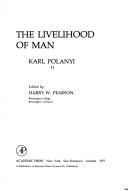
The Livelihood of Man (1977)

The Life and Work of Karl Polanyi (1990)
About Karl Polanyi
Karl Paul Polanyi was an Austro-Hungarian economic historian, economic sociologist, and politician, best known for his book The Great Transformation, which questions the conceptual validity of self-regulating markets. In his writings, Polanyi advances the concept of the Double Movement, which refers to the dialectical process of marketization and push for social protection against that marketization. He argues that market-based societies in modern Europe were not inevitable but historically contingent. Polanyi is remembered best as the originator of substantivism, a cultural version of economics, which emphasizes the way economies are embedded in society and culture. This opinion is counter to mainstream economics but is popular in anthropology, economic history, economic sociology and political science.
Biography from Wikipedia, CC BY-SA 4.0. Photo via Wikimedia Commons.
Karl Polanyi FAQ
- How many books has Karl Polanyi written?
- Karl Polanyi published 6 non-fiction books that we list, as of September 2026.
- What order should I read Karl Polanyi's books in?
- Publication order is a safe choice; the full list is above. Most readers start with The Great Transformation.
- What is Karl Polanyi's last book?
- Dahomey and the Slave Trade (1966).
- What is Karl Polanyi's most famous book?
- The Great Transformation (1944) is Karl Polanyi's most widely read book.
Authors like Karl Polanyi


Sources: book lists and dates from Wikidata and Open Library, ratings from Open Library readers. Last updated September 2026.