
Karl Popper books in order
Austrian-British philosopher of science and social and política e falsificationism and for criticism of Plato, Hegel and Marx as totalitarian opponents of open society
- Lived
- 1902–1994
- Country
- Cisleithania
- Books
- 20
Karl Popper published 19 non-fiction books and 1 other book, beginning with The Logic of Scientific Discovery (1934). The best-known is The Open Society and Its Enemies (1945).
Updated September 2026
Where to start with Karl Popper

Start here
The Open Society and Its Enemies
Karl Popper's most-read book.
Non-fiction in order

The Logic of Scientific Discovery (1934)
The Open Society and Its Enemies (1945)
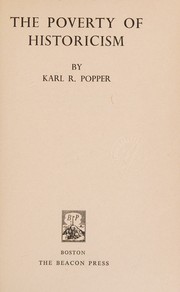
The Poverty of Historicism (1957)
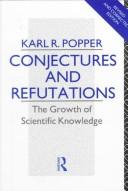
Conjectures and Refutations (1963)
The Philosophy of Karl Popper (1974)
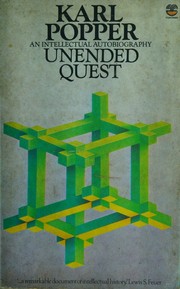
Unended Quest (1976)

The Self and Its Brain (1977)
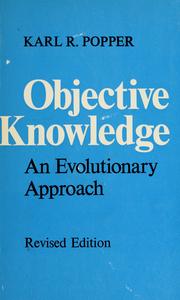
Objective Knowledge (1979)

The Two Fundamental Problems of the Theory of Knowledge (1979)
Quantum Theory and the Schism in Physics (1982)
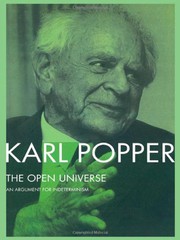
The Open Universe (1982)
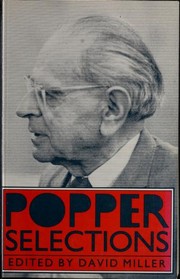
Popper Selections (1983)

Realism and the Aim of Science (1983)
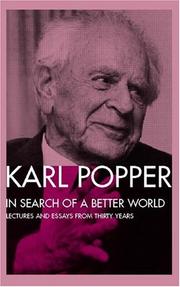
In Search of a Better World (1984)
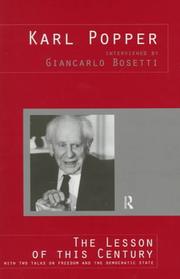
The Lesson of This Century (1992)

Knowledge and the Body-Mind Problem (1994)
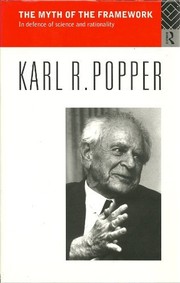
The Myth of the Framework (1994)
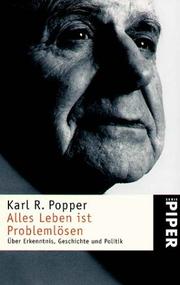
All Life Is Problem Solving (1996)

After The Open Society (2007)
Other books in order
Towards a Rational Theory of Tradition (1972)
About Karl Popper
Sir Karl Raimund Popper was an Austrian–British philosopher, academic and social commentator. One of the 20th century's most influential philosophers of science, Popper is known for his rejection of the classical inductivist views on the scientific method in favour of empirical falsification made possible by his falsifiability criterion, and for founding the Department of Philosophy at the London School of Economics and Political Science. According to Popper, a theory in the empirical sciences can never be proven, but it can be falsified, meaning that it can be scrutinised with decisive experiments. Popper was opposed to the classical justificationist account of knowledge, which he replaced with "the first non-justificational philosophy of criticism in the history of philosophy", namely critical rationalism.
Biography from Wikipedia, CC BY-SA 4.0. Photo via Wikimedia Commons.
Karl Popper FAQ
- How many books has Karl Popper written?
- Karl Popper published 19 non-fiction books and 1 other book that we list, as of September 2026.
- What order should I read Karl Popper's books in?
- Publication order is a safe choice; the full list is above. Most readers start with The Open Society and Its Enemies.
- What is Karl Popper's last book?
- All Life Is Problem Solving (1996).
- What is Karl Popper's most famous book?
- The Open Society and Its Enemies (1945) is Karl Popper's most widely read book.
Authors like Karl Popper


Sources: book lists and dates from Wikidata and Open Library, ratings from Open Library readers. Last updated September 2026.