
Nikolaus Pevsner books in order
German-born British scholar
- Lived
- 1902–1983
- Country
- Germany
- Books
- 67
- Series
- 1
Nikolaus Pevsner published 10 novels, 18 non-fiction books and 39 other books, beginning with Matthew Digby Wyatt (1930). The series is The Buildings of England (10 books, starting with The Buildings of England: Buckinghamshire). The best-known is The Englishness of English Art (1955).
Updated September 2026
The Buildings of England books in order (10)Series page
Reading order: 1 The Buildings of England: Buckinghamshire (1960) · 2 The Buildings of England: North-West and South Norfolk (1962) · 3 The Buildings of England: Herefordshire (1963) · 4 The Buildings of England: Worcestershire (1968) · 5 The Buildings of England: Oxfordshire (1974) · 6 The Buildings of England: Staffordshire (1974) · 7 The Buildings of England: London 2, South (1993) · 8 The Buildings of England: Lancashire: Manchester and the South-East (2004) · 9 The Buildings of England: London 5, East (2005) · 10 The Buildings of England: Lancashire: Liverpool and the South-West (2006)
- 1.
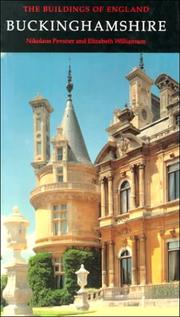
The Buildings of England: Buckinghamshire (1960)
- 2.
The Buildings of England: North-West and South Norfolk (1962)
- 3.
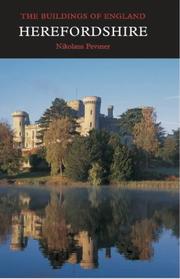
The Buildings of England: Herefordshire (1963)
- 4.
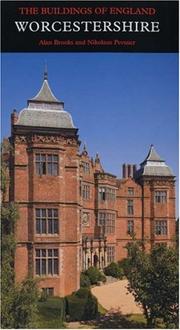
The Buildings of England: Worcestershire (1968)
- 5.
The Buildings of England: Oxfordshire (1974)
- 6.
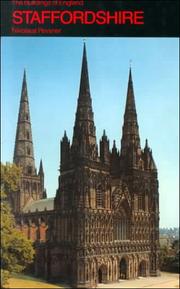
The Buildings of England: Staffordshire (1974)
- 7.
The Buildings of England: London 2, South (1993)
- 8.
The Buildings of England: Lancashire: Manchester and the South-East (2004)
- 9.
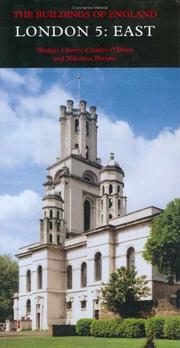
The Buildings of England: London 5, East (2005)
- 10.
The Buildings of England: Lancashire: Liverpool and the South-West (2006)
Where to start with Nikolaus Pevsner
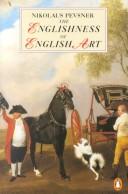
Start here
The Englishness of English Art
Nikolaus Pevsner's most-read book.
Standalone novels in order
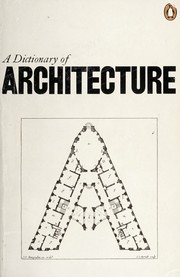
The Penguin Dictionary of Architecture (1966)
The Buildings of England: Cumbria: Cumberland, Westmorland and Furness (2010)
Non-fiction in order
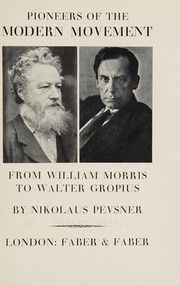
Pioneers of the Modern Movement from William Morris to Walter Gropius (1936)

Academies of Art, Past and Present (1940)
London (1952)

Northumberland (1957)
Yorkshire: the West Riding (1959)
Pioneers of Modern Design (1960)

The Buildings of England (1962)

Wiltshire (1963)

Lincolnshire (1964)
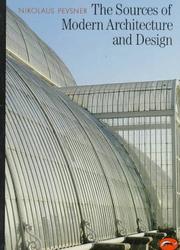
The Sources of Modern Architecture and Design (1968)
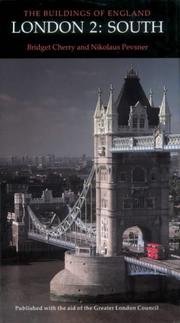
London 2 (1983)
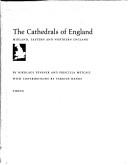
The Cathedrals of England (1985)

Norfolk (1997)
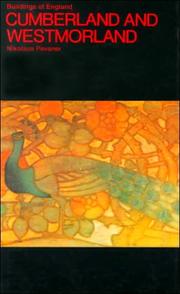
Cumberland and Westmorland (Buildings of England) (2000)
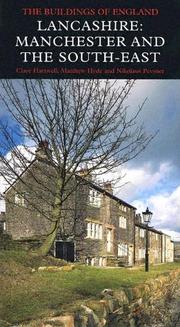
Lancashire (2004)

Visual Planning and the Picturesque (2010)
Other books in order
Matthew Digby Wyatt (1930)
An Enquiry into Industrial Art in England (1937)
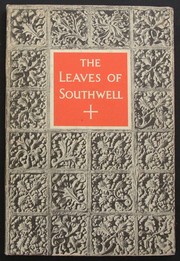
The Leaves of Southwell (1945)
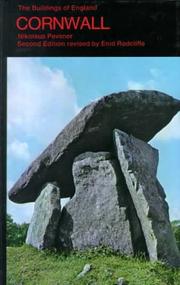
Cornwall (1951)
High Victorian Design (1951)

Middlesex (1951)
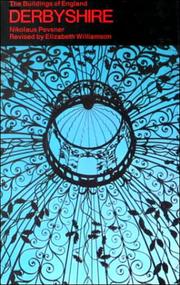
Derbyshire (1953)
Hertfordshire (1953)

Cambridgeshire (1954)
The Englishness of English Art (1955)
William Morris, C.r. Ashbee and the Twentieth Century (1956)
North Somerset and Bristol (1958)
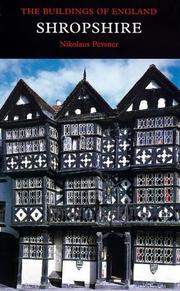
Shropshire (Pevsner Architectural Guides) (1958)
South and West Somerset (1958)
The Planning of the Elizabethan Country House (1960)
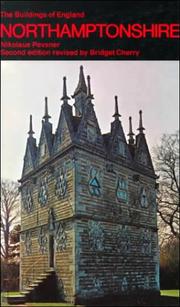
Northamptonshire (1961)
North-east Norfolk and Norwich (1962)
Dictionary of Architecture, The Penguin (1966)
Warwickshire (1966)

Bedfordshire and the County of Huntingdon and Peterborough (1968)

Ruskin and Viollet-le-Duc (1969)
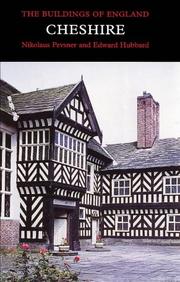
Cheshire (Pevsner Architectural Guides) (1971)

London I (1973)

Suffolk (1974)

A Dictionary of Architecture (1975)
Essex (1976)
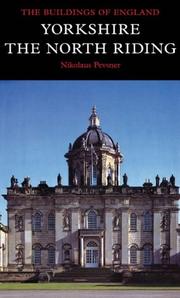
Yorkshire (1981)

The Best Buildings of England (1986)
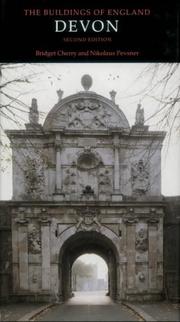
Devon (Pevsner Architectural Guides) (1991)
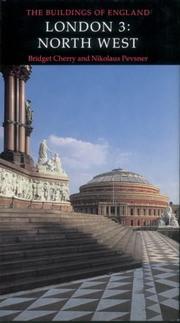
London 3 (1991)

London I--The City of London (1997)
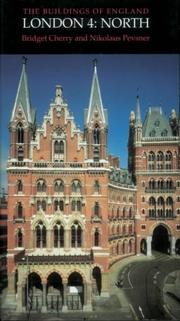
London 4 (1998)

County Durham (Buildings of England) (1999)
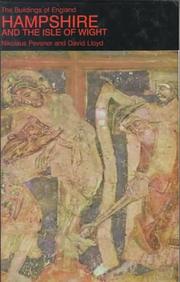
Hampshire and the Isle of Wight (1999)
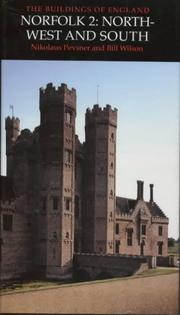
Norfolk 2 (1999)

Nottinghamshire (Buildings of England) (2000)
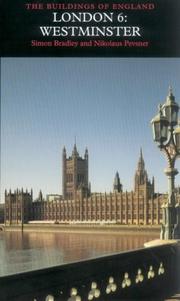
London 6 (2003)
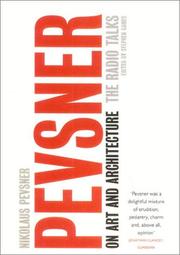
Pevsner on Art and Architecture (2003)
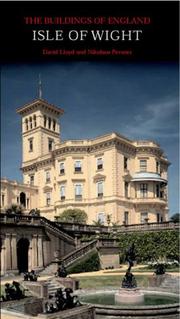
Isle of Wight (2006)
About Nikolaus Pevsner
Sir Nikolaus Bernhard Leon Pevsner was a German-British historian who specialised in the areas of art and architecture. He is best known for his monumental 46-volume series of county-by-county guides, The Buildings of England (1951–1974), as well as his editorship of the Pelican History of Art.
Biography from Wikipedia, CC BY-SA 4.0. Photo via Wikimedia Commons.

Nikolaus Pevsner FAQ
- How many books has Nikolaus Pevsner written?
- Nikolaus Pevsner published 10 novels, 18 non-fiction books and 39 other books that we list, as of September 2026.
- What order should I read Nikolaus Pevsner's books in?
- Read each series in its own order: start The Buildings of England with The Buildings of England: Buckinghamshire. The other books stand alone and can be read in any order.
- What is Nikolaus Pevsner's last book?
- The Cathedrals of England (1985).
- What is Nikolaus Pevsner's most famous book?
- The Englishness of English Art (1955) is Nikolaus Pevsner's most widely read book.
- Are Nikolaus Pevsner's books connected?
- 10 books belong to 1 series (The Buildings of England); the other 57 books stand alone.
Sources: book lists and dates from Wikidata and Open Library, ratings from Open Library readers. Last updated September 2026.