William Ury books in order
American writer; co-founder of the International Negotiation Network
- Born
- 1953
- Country
- United States
- Books
- 9
William Ury has published 2 novels, 6 non-fiction books and 1 other book, beginning with Getting Past NO (1991). The best-known is The Power of a Positive No (2007). The latest is Book of Real-World Negotiations (2020).
Updated September 2026
Where to start with William Ury
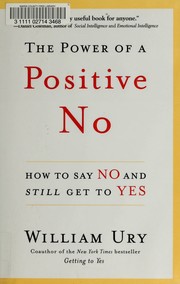
Start here
The Power of a Positive No
William Ury's most-read book.
Newest
Book of Real-World Negotiations
Published 2020.
Standalone novels in order

Getting Past NO (1991)
The Power of a Positive No (2007)
Non-fiction in order

Getting Disputes Resolved (1988)

Getting to Peace (1999)

The Third Side (2000)

Must We Fight? (2001)

Getting to Yes with Yourself (2015)

Book of Real-World Negotiations (2020)
Other books in order

Getting to Yes (1991)
About William Ury
William Ury is an American author, academic, anthropologist, and negotiation expert. He co-founded the Harvard Program on Negotiation. Additionally, he helped found the International Negotiation Network with former President Jimmy Carter. Ury is the co-author of Getting to Yes with Roger Fisher, which set out the method of principled negotiation and established the idea of the best alternative to a negotiated agreement (BATNA) within negotiation theory.
Biography from Wikipedia, CC BY-SA 4.0.
William Ury FAQ
- How many books has William Ury written?
- William Ury has published 2 novels, 6 non-fiction books and 1 other book that we list, as of September 2026.
- What order should I read William Ury's books in?
- Publication order is a safe choice; the full list is above. Most readers start with The Power of a Positive No.
- What is William Ury's latest book?
- Book of Real-World Negotiations (2020).
- What is William Ury's most famous book?
- The Power of a Positive No (2007) is William Ury's most widely read book.
Authors like William Ury


Sources: book lists and dates from Wikidata and Open Library, ratings from Open Library readers. Last updated September 2026.