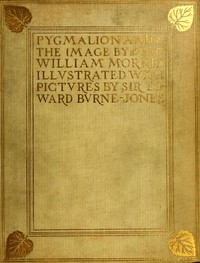
Pygmalion and the Image
- Reading level
- Plain English
- Price
- Free
About the book
"Pygmalion and the Image" by William Morris is a narrative poem that explores themes of love, artistry, and the divine, written in the early 20th century. This work, included in his larger collection "The Earthly Paradise," reflects the Victorian fascination with classical legends, specifically the story of Pygmalion, a sculptor who falls in love with his own creation, a statue that eventually comes to life through divine intervention. Morris's poem delves into the spiritual connection between the creator and the created, emphasizing the beauty of craftsmanship and the nature of desire. The poem follows Pygmalion, a talented sculptor from Cyprus, who becomes disillusioned with the women around him and obsesses over his creation, an exquisite statue of a woman. As he realizes his deep longing for his artwork to be alive, he prays to Venus for help. In response, the goddess grants his wish, bringing the statue to life. The narrative explores Pygmalion's emotional turmoil, his dedication to his craft, and the fulfillment he finds in love, juxtaposed with his initial madness and isolation. The poem culminates in Pygmalion’s realization of his happiness with the living woman he once sculpted, highlighting themes of longing, fulfillment, and the transformative power of art.
- English poetry
- Pygmalion (Greek mythology)
Updated September 2026. Public domain in the USA. Text and summary from Project Gutenberg eBook #49827.
More free books by William Morris
About William MorrisThe House of the Wolfings
The Well at the World's End
News from Nowhere
The Water of the Wondrous Isles
The Defence of Guenevere and Other Poems
The Earthly Paradise
The Story of Sigurd the Volsung
Hopes and Fears for Art
The Story of Sigurd the Volsung and the Fall of the Niblungs
Poems By The Way & Love Is Enough
Signs of Change
The Wood Beyond the World