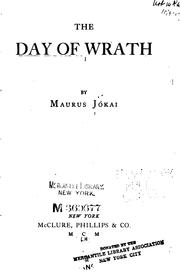
The Day of Wrath
by Mór Jókai
- First published
- 1900
- Reading level
- Plain English
- Price
- Free
About the book
"The Day of Wrath" by Mór Jókai is a novel, likely written during the late 19th century. The work explores the themes of despair, societal suffering, and the consequences of injustice, set against the backdrop of a tumultuous period in Hungary's history. The story revolves around the ominous "death-bird," an old woman whose prophecies foreshadow calamities for the village and its inhabitants, drawing attention to the external and internal conflicts faced by various characters. The opening of the novel establishes a bleak and eerie atmosphere in the village of Hétfalu, revealing three long-abandoned houses that serve as symbols of desolation. We meet Magdolna, the "death-bird," whose unsettling presence evokes fear and superstition among the villagers, as she possesses the unsettling ability to foresee death and misfortune. As ominous signs of a disaster loom, the townsfolk grapple with their superstitions and the deep-rooted despair of their circumstances. This introduces a world steeped in sentiment rather than rationality, hinting at both personal and communal tragedies to unfold as the narrative progresses.
- Hungary
Updated September 2026. Public domain in the USA. Text and summary from Project Gutenberg eBook #23608.