
David Hume books in order
Scottish philosopher, economist, and historian
- Lived
- 1711–1776
- Country
- United Kingdom
- Books
- 18
David Hume published 1 novel, 1 novella, 10 non-fiction books and 6 other books, beginning with A Treatise of Human Nature (Abstract) (1739). The best-known is Philosophical Essays Concerning Human Understanding (1748).
Updated September 2026
Where to start with David Hume
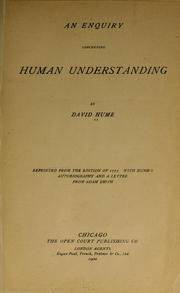
Start here
Philosophical Essays Concerning Human Understanding
David Hume's most-read book.
Standalone novels in order

Novellas in order

The Natural History of Religion (1759)
Non-fiction in order
Essays, Moral and Political (1741)
Philosophical Essays Concerning Human Understanding (1748)
Four Dissertations (1757)
Essays and Treatises on Several Subjects (1758)
The Philosophical Works (1759)

The History of England (1762)
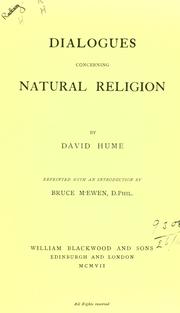
Philosophical Essays on Morals, Literature and Politics (1817)
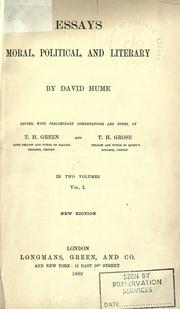
Essays, Moral, Political, and Literary (1904)
Of the Standard of Taste (1964)
Other books in order
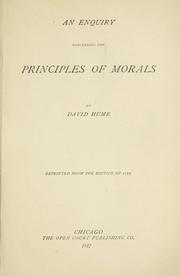
Essays and Treatises (1753)

Essays on Suicide and the Immortality of the Soul (1789)

The Life of David Hume (1826)
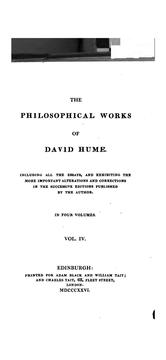
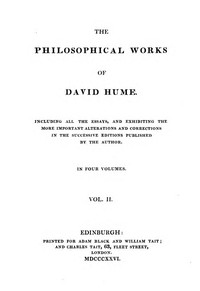
The Philosophical Works of David Hume (1826)
The Philosophical Works of David Hume, Including All the Essays, and (1826)
Free to read
All free classicsAn Enquiry Concerning Human Understanding
Philosophical Works, v. 1 (of 4)
Hume's Political Discourses
The History of England in Three Volumes, Vol. I., Part A.
Philosophical Works, v. 2 (of 4)
Essays
The History of England in Three Volumes, Vol. I., Part B.
The History of England in Three Volumes, Vol. I., Part C.
The History of England in Three Volumes, Vol. I., Part E.
The History of England in Three Volumes, Vol. I., Part D.
The History of England, Volume I
The History of England in Three Volumes, Vol. I., Part F.
A History of England from Early Times



About David Hume
David Hume was a Scottish philosopher, historian, economist and essayist who is known for his highly influential system of empiricism, philosophical scepticism and metaphysical naturalism. Beginning with A Treatise of Human Nature (1739–40), Hume strove to create a naturalistic science of man that examined the psychological basis of human nature. Following John Locke, Hume rejected the existence of innate ideas, holding that all our ideas derive ultimately from impressions, but in his fork he distinguished relations of ideas, known a priori, from matters of fact, whose knowledge rests on experience. This places him in the empiricist tradition of Locke and George Berkeley, while drawing his experimental method from Francis Bacon.
Biography from Wikipedia, CC BY-SA 4.0. Photo via Wikimedia Commons.
David Hume FAQ
- How many books has David Hume written?
- David Hume published 1 novel, 1 novella, 10 non-fiction books and 6 other books that we list, as of September 2026.
- What order should I read David Hume's books in?
- Publication order is a safe choice; the full list is above. Most readers start with Philosophical Essays Concerning Human Understanding.
- What is David Hume's last book?
- The History of England (1762).
- What is David Hume's most famous book?
- Philosophical Essays Concerning Human Understanding (1748) is David Hume's most widely read book.
- Can I read David Hume's books for free?
- Yes. 16 books by David Hume are in the public domain in the US and free to read online or download here.
Authors like David Hume


Sources: book lists and dates from Wikidata and Open Library, ratings from Open Library readers, free texts from Project Gutenberg. Last updated September 2026.